Finding water will be one of your top tasks if you ever find yourself in a precarious survival situation.
Life is water. Without water, you can only survive three days.
Going without water for more than two days will make you feel terrible, and your body will start to shut down.
To survive, you need to find water.
Now, this isn’t always simple if you don’t have access to a clean lake or river where you can access all the water you require.
Even when it is not evident, there are still techniques to locate water. It’s crucial to have knowledge and skills in case of being stuck in environments such as desert, wilderness, or forest, with no apparent access to water sources.
*** Let’s be extremely clear about one thing before we talk about where to find water: Your entire collection of water is deemed unfit for consumption. ***
Rainwater is the sole true exception to this rule.
It’s always a good idea to purify the water to eliminate possible contaminants, even if the container used for collecting the water is clean and free of toxins. The bug wouldn’t be apparent to the human eye, but if you swallow it, you may get very sick.
Employ Your Senses
You could be quite close to water yet unable to see it if you are travelling through a forest or another environment that blocks your view. The secret is to let your remaining senses do the work while keeping your mind open.
Keep an ear out for water running sounds. You’ll enjoy the sound of gurgling or the distinctive whooshing of water gushing down a hillside.
Bird sounds should be heard. Birds require water. Follow the sounds if you hear a number of birds singing.
Inhale deeply and give your surroundings a thorough sniff. The fragrance of green, luxuriant foliage is frequently somewhat unpleasant. The moisture gives off a little musty, earthy odor that indicates the presence of water.
Search for evidence of animal activity. Search for tracks on the ground. You can follow animal trails right to the water.
Go up and take a look at your surroundings. If you can find a hill, a tree to climb, or another area that elevates you above the ground. A green area indicates the presence of water.
Look for trees like cottonwood, willow, river, river maple, and cypress that represent water. Discover the characteristics of these trees, so you can use them to locate water in an emergency.
Gathering Water
It’s time to gather the water once you’ve located it. Without a bowl or bucket, how can you gather water? Sadly, there is a lot of waste in the world. There isn’t a single square inch of land that hasn’t had some aspect of human habitation on it, with the possible exception of Antarctica. You must search the surroundings thoroughly in search of “trash” that can save your life.
Some of the items you could use to gather water from a stream, lake, or river are listed below:
1. A rubbish bag will do. You are lucky if you have a bug-out bag and managed to load some bags in it.
2. You may also collect water using those grocery store plastic bags. Tie up the corners to prevent minor tears from occurring there. Additionally, strengthening it a little, this will.
3. Old soda and water bottles will function.
4. Empty cans are great because you can boil water in them over a fire to cleanse them.
5. You can scoop water with your shirt. Although you will lose some water, you can still hold water that is necessary for life.
6. Another option is to weave a basket from reeds or twigs if you are skilled and have the time. When you have water on hand and want to create something a little more robust and able to hold more water, this choice works well.
Lake Water
Pond water or water from a foul swamp may not be on anyone’s list of preferred sources, but the water can be cleaned and made suitable for drinking. Make sure to gather water from just a few inches beneath the surface, avoiding any water collected off the ground, be it in a pond or any other source. You don’t want to unintentionally sweep up any trash or sediment from the water’s surface in the river, pond, or other body of water. There are probably “floaties” in the water near the top, which can make it unpleasant to drink. In terms of debris, the water in the center will be the cleanest.
Pour the water through a corner of your shirt, a bandana, or some other piece of fabric to help make it a little bit easier to swallow. The majority of the sand, sticks, and other particles will be filtered out by the fabric. Still, you’ll have to boil it or use water-purification pills.
How to Locate Water When Visibility is Limited
In dire circumstances, you can find yourself trapped without any obvious or visible bodies of water from which to obtain water. You can be in a region where water is just not available or the summer’s heat may have dried up all the creeks. With these tried-and-true techniques, you can still “make” water.
One excellent approach is to collect the dew from the grass. Using your shirt, a bandana, a towel, or even a pair of socks to catch water is a simple way to accomplish this. The things should be left in a grassy location overnight. Then gather the goods early in the day before the sun has a chance to warm them and evaporate the dew that has accumulated on them. Remove the clothing’s water by ringing it out. The amount of water you can get with this method will be constrained, though. Using this strategy, you can anticipate getting several teaspoons or more of water. Engaging in this technique is a great workout that involves shedding all your attire or belongings and gathering as much water as possible.
Use a trash bag or even a plastic Ziploc bag secured to a leafy tree or shrub branch. To collect the most water, choose a branch with lots of leaves and other vegetation. The next morning, carefully remove the sack after leaving it overnight. Once more, you’ll see that the bag contains several tablespoons of water. Use all of your bags, if you have them, to get the most water you can. On shrubs like poison ivy, do not use this technique! When the days are hot and the nights are cool, this strategy performs well.
A few rocks, an old tin can or water bottle, and a sheet of plastic can be used to create a solar still. When standing erect, your can or bottle should be between half and an inch below the rim of the hole that you dug. Fill the opening surrounding the bottle with some green plant stuff. It’s acceptable if there isn’t any vegetation there because you can still gather water. Put the plastic over the hole and use several boulders to fix the edges. Over the water bottle or tin can’s opening, place a tiny rock on the plastic. The middle should descend, creating a little bowl over the grip. Overnight, leave the still in place. The dew will gather on the plastic’s underside and drip into your container.
Searching for Water
If at all possible, avoid digging for water until you are positive there is water immediately below the surface. You will burn a lot of calories and energy attempting to dig down far enough to find water, which is taxing. You cannot afford to work up a sweat and lose extra water if you are already on the verge of becoming dehydrated. Before you start digging at random, be selective. Look for the indications of water that are listed below.
A nice spot to start is in an old creek bed. Start by circling the rocky banks at the perimeter. The sun would not have been able to totally dry off the water because of the rocks. You can also verify where the water would have been deepest in the middle or in an obvious spot. Dig in the vicinity of green vegetation clusters.
Watch for indications that a wash is descending. Trenches are frequently created by the water during rain or snow melt. Track the tunnel downward and search for tiny puddles of water hidden by rocks. Where the trench has been shadowed, dig there.
When you find yourself in a survival situation without water, don’t freak out. Use these pointers to guide you to water. Using poor judgment while panicking can increase stress and have catastrophic consequences. Today, practice these water-finding techniques so that when a survival scenario arises, they will come naturally to you.
Getting Clean Water in the Wild
Everyone is aware that water sustains life. It is difficult to survive without water. Unfortunately, the water is unsafe to drink even if you do find it. You cannot see many bacteria, viruses, and protozoa that are present in the water. You could face a terrible, potentially fatal sickness if you drink the water and the viruses and bacteria are absorbed by your digestive system.
These are just a few of the bacteria and viruses that can be found in water you discover in the wild: Rotavirus, Cryptosporidium parvum, Hepatitis A, Salmonella and E. coli
What is Their Origin?
Animals who use the toilet in or near the water generally deposit a variety of bacteria, viruses, and protozoa in the water. Criminals also include people. The primary source of these harmful water pollutants is feces.
How Does Drinking Contaminated Water Affect You?
You might develop severe illness. Your digestive tract becomes infected with viruses, bacteria, and protozoa, which can result in symptoms including diarrhea, vomiting, fever, and cramping. If the symptoms are not treated, they may become severe enough to result in death from dehydration. The symptoms may take anywhere between one and two days to manifest. You shouldn’t assume that unclean water is okay to drink just because you didn’t get severely ill right away after drinking it.
What is Water Purification?
You can safely filter water using a number of methods, which is a blessing. Simply said, purifying water involves using heat or chemicals to destroy any living things that could make you sick. Similar to preparing some beef. To eradicate any microorganisms that could still be present in the raw meat, we boil it. It’s much the same as your water. To get rid of the horrible bugs that live inside it, it must be fried.
Is purification the same as filtering?
It is crucial to understand that filtering water is not the same as purifying it. Most bacteria and protozoa can be removed using filters, but viruses are more difficult to eliminate. This is so that viruses, which are incredibly little, cannot get past the filter holes. However, filters are becoming more efficient at eliminating all impurities from the water thanks to ongoing technological advancements in this field. To give you a better idea, viruses have a size of 0.01 micron. Protozoa are 1 micron, while bacteria are 0.1 micron. There are several new filters on the market that can eliminate particles as small as 0.02. Reading the labels and making sure you are purchasing a filter with the fewest possible pores are the keys.
Purification of Water
Boiling
The most popular technique is to boil water. All microorganisms—bacteria, viruses, and protozoa—are destroyed as soon as water reaches the boiling point. Contrary to what you may have previously been told, boiling water only takes 5 to 15 minutes. Death is death. Any additional time spent boiling water wastes it since it will evaporate.
Chemical Therapy
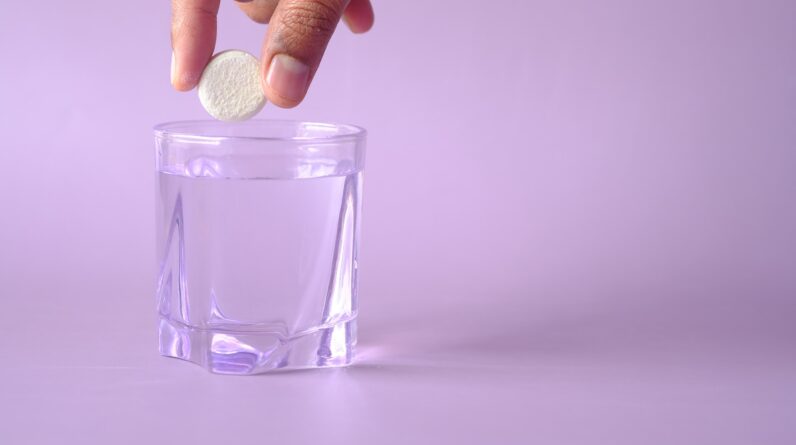
To efficiently treat water, you can use iodine, chlorine, or chlorine dioxide. Iodine or chlorine may find it difficult to penetrate the hard, microscopic shells of protozoa, though. This implies that they will still be present in the water you drink and still be alive. Chlorine dioxide is your best choice in this case. Chlorine dioxide-made pills are incredibly portable and can fit in a bag or even the glove box of your automobile. A tablet or two is dropped into a quart of water, and within 30 minutes the water is safe to drink.
What to do if your water won’t boil?
If boiling water is not an option, and you don’t have chemical treatment tablets, don’t lose hope.
You also have a few more alternatives for water purification as described below:
Hot Stones
Hopefully you’ll have a fire. A fire is necessary for survival. Find a container that can hold your water. Try to remove as many rocks as you can so that they will fit in your water container without causing it to overflow. If you have a few long sticks you can use to remove the rocks once they are hot, put them in your fire. Put the rocks on the outside of your fire if you don’t have a method to pull them out. They will heat up eventually, albeit it will take a little longer. Remove the boulders from the fire after they’ve been there for around five minutes and carefully drop them into the water. All the pollutants will be eliminated once the water is heated by the heat from the rocks. Keep the rocks submerged in the water until they reach a comfortable temperature. You can drink the water once the rocks are removed.
Solar Decontamination
Another way to get your water hot enough to kill any bugs dwelling in it is to expose it to the sun. You’ve undoubtedly already heard the ominous warning about leaving your water bottles in the sun. The plastic becomes heated by the sun and releases toxins into the water. Thankfully, more businesses are converting to safer plastics, so this is not a significant problem. The minuscule chance of harmless chemicals leaking into your water will be the least of your worries if you are trying to survive. Put your water in that bottle and cleanse it.
To use sun disinfection to filter your water, follow these procedures.
1. Pour water into the bottle and cover it with the cap. You can use a clear soda bottle or an old water bottle.
2. After the container has been filled, cover it and place it in a spot that receives direct sunshine. It’s best to rest on a south-facing rock or, if you have one, on your survival blanket. The rock’s or blanket’s heat will aid in warming the water.
3. Let the water soak for six hours in the sun.
A few pointers about solar disinfection
1. Avoid using colored bottles since they absorb UV radiation.
2. The bottle must be positioned upside-down.
3. Fill the center of the recycling ring with bottles that have a 1 on the bottom.
4. The water may need to be disinfected for up to two days if the sky is hazy.
5. Avoid using glass jars since they hinder UV radiation.
6. Use a bottle no larger than 2 liters; a gallon jug will not suffice.
Organize a Solar Still
This choice serves two functions. It gathers water that is fit for consumption and doesn’t require additional treatment. A solar still may be put up almost anyplace with relative ease.
1. Dig a small hole, then drop a bowl, cup, or water bottle inside. Your vessel’s rim should be one to two inches below the hole’s edge.
2. Sit green plant material around the vessel in the hole if there is any available. It’s alright if none are available.
3. Stretch a plastic sheet over the hole, allowing it to sag slightly in the middle.
4. To keep the plastic in place, bury the edges or use boulders or heavy branches.
5. In the center of the plastic, directly above the opening of the water vessel, place one large rock or a few smaller ones.
6. Drips of condensation will form and enter the vessel. Drinking the water is safe.
Is Urine Safe to Drink?
If you’ve ever watched a survival show, you’ve probably seen specialists in terrible situations drinking their own urine. This is deceptive and potentially harmful. No is the simplest response to this query. Your body cleans and processes the food you’ve consumed in the form of urine. If a person’s urine is mostly composed of water with a clear to light yellow hue, it suggests that they are adequately hydrated and have been consuming plenty of liquids. In a survival scenario, a dehydrated individual will produce a scant amount of urine, which will likely be dark in color. It is more waste than water, so to speak. By consuming it, you are reintroducing bodily waste to the urine. Your body will have to work harder to try to eliminate it once more as a result of this. In the end, this will simply make you more dehydrated. Do your best to find water somewhere and refrain from drinking your own urine.
Finding water is crucial for survival in a survival situation, as life depends on it and without water, you can only survive three days. Even if clean water sources are not readily available, there are techniques to locate water in environments like deserts, wilderness, or forests. You can use your senses to detect water, such as listening for running water or bird sounds, smelling for the earthy odor of moisture, and looking for evidence of animal activity or trees associated with water. Once you locate water, you need to gather it using various items like plastic bags, bottles, cans, or even your shirt. However, the water you find may not be safe to drink, so it’s essential to purify it to remove contaminants. Purification methods include boiling the water, using chemical treatments like chlorine dioxide, or employing natural methods like heating with hot stones or solar decontamination. By practicing these water-finding and purification techniques, you can increase your chances of survival in a water-scarce environment.