Nearly everything in the woods can kill you if you don’t know what you’re doing according to seasoned outdoor survivalists. In this article, we’ll examine several of the most prevalent risks and discuss how to avoid or deal with them.
1. Dangerous plants
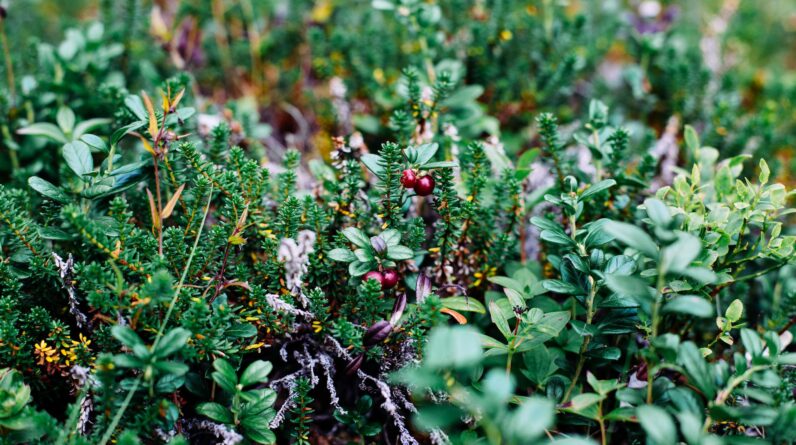
The main distinction between plants and animals is that plants won’t attack you out of the blue. People only become harmed by poisonous plants when they eat those they shouldn’t and when they come into contact with those they shouldn’t.
Avoid any plant with thorns. Go around any prickly plants if there are any in the vicinity. Try not to navigate through them.
Never attempt to eat mushrooms. Most of them are lethal poisons. Conduct an edibility test on any fruits or plants you’re unsure about before deciding to eat them.
If a plant has sap, stay away from it and make sure it doesn’t get in your eyes. Rashes and burning feelings can be brought on by plants such as poison ivy.
Studying the types of plants that are native to the area where you’re bugging out is one of the finest methods to be ready to survive in the wilderness. When you do this in good times, you’ll be ready for a crisis.
2. Threatening animals
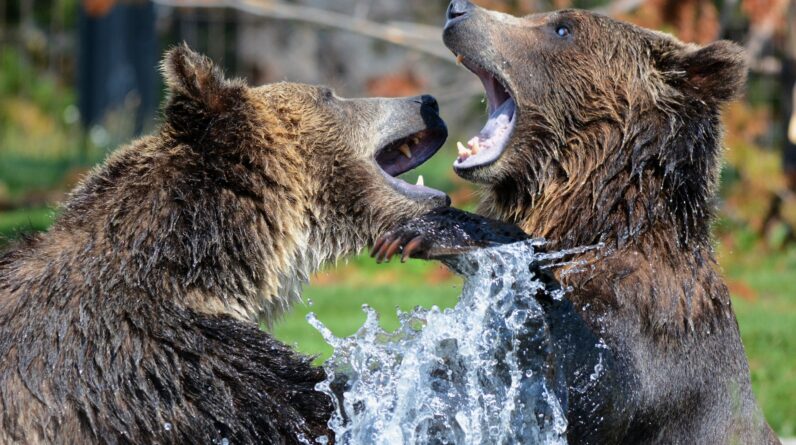
You might encounter bears, big cats, wolves, wild dogs, snakes, wasps, etc. depending on where you bug out. Half the battle is won by being aware of what to anticipate.
If you’re camping in an area with coyotes or wolves, it makes no sense to pack bear spray. Setting up your tent far from animals is the greatest method to avoid attacks from them.
Never pitch your tent next to a wasp nest. Don’t ever wander through a wolf’s den. Keep a close eye on your surroundings.
Make a lot of noise whenever you are walking. Most animals will flee in fear at this. Snakes have a natural instinct to escape when they sense the presence of humans nearby. Most animals shy away from people out of fear. They only engage in combat when they sense danger.
However, some bears can approach your campsite since the aroma of food attracts them. It is therefore best to remove all food from your campsite after eating. Use “bear proof” airtight coolers, and take precautions to keep your living space tidy.
A burning fire will keep the majority of animals away. However, snakes may be enticed to the heat and slither close by. So, take caution.
Be cautious of alligators if you camp close to mangrove swamps, lakes, etc. If you plan to spend time near the water and go swimming, watch out for jellyfish and other marine life.
3. Withstanding animal assaults
Investing in an effective rifle is the best method to protect yourself. A shot will scare away a wolf that has been observing you and constantly passing by your encampment while keeping its distance. If it doesn’t, if you’re accurate, you can take it out with one shot.
Bear sprays work well, but you have to use them while the bear is around. And that’s generally too close to manage. Even when fired from a distance, a gun can still save your life.
Unless you have a strong rifle, you have almost no chance against a big cat.
Depending on how many wasp stings a person receives, they may get anaphylactic shock. It’s best to have an adrenaline syringe on hand so you can use it to preserve their lives until you can get them help from a doctor.
If someone is bitten by a snake, do not try to drain the blood by cutting the bite or sucking out the venom. These are bad habits that are exclusively depicted in movies.
Killing the snake that bit the victim is the best line of action. When handling the dead snake, use extreme caution. Its fangs are still filled with poison. In order for doctors to know what anti-venom to administer later, bag the snake. The victim must always be taken urgently to the hospital.
Before entering your tent, always check it. There may be a haven for snakes. The same holds true for your car that is parked in a remote area. When they feel threatened, snakes bite. They will slink away on their own if you make noise.
Keep bandages, bite cream, syringes, adrenaline shots, and other first aid supplies in your car. In an emergency, these goods will be quite helpful.
In the end, it takes training, experience, and wisdom to survive in the wild. Before a catastrophe arises, gather as much as you can. Don’t pick up safety by chance.