Finding food is one of the major challenges when bugging out in the bush. Either you’ll have to go hunting for it or go foraging. Meat is simple, but growing plants and veggies is quite the difficulty.
You won’t contaminate meat if you thoroughly clean it and carefully remove the intestines. It’s crucial to keep in mind to examine the animal’s internal health to determine whether it is ill or unhealthy. You’ll be secure if you can accomplish both tasks successfully.
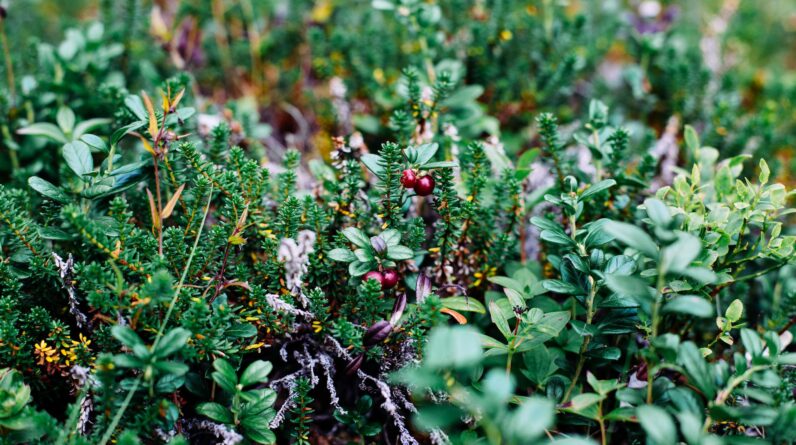
There are frequently moments when you are confused if plants and fruits are edible. This is particularly true if you are unable to identify the vegetation. The only people who can distinguish between different plants just by glancing at their leaves are expert survivalists. Most people lack that level of experience.
One thing to keep in mind is to refrain from eating wild mushrooms. Regardless of your level of experience, it is better to stay away from mushrooms. They are extremely poisonous, and most times there is no cure.
Common symptoms of poisoning include nausea, palpitations in the chest, dizziness, trouble breathing, seizures, etc. You must travel to a hospital as soon as possible if these symptoms appear. As a temporary cure for the poisoning, swallow charcoal pills and drink lots of warm water.
You’ll find an edibility test in this article that you should use before consuming any wild plants or fruits. It could take some time before you know for sure whether the food is safe to eat, but you must proceed with extreme caution. Take your time when taking this exam.
Test #1.
Learn about the fruit or plant. It is advised to stay away from consuming anything that is highly colored. It doesn’t always follow that you can eat a fruit just because you observe birds eating it. Many animals have food resistance that humans do not. The first indication of whether a plant is worthwhile trying out is how it looks.
Test #2.
Do the sniff test. Is there a terrible odor? A strong smell is always a warning not to eat it. Avoid anything that smells like almonds at all costs. It indicates that the plant contains hydrocyanic acid, which is very bad for you.
Test #3.
Check for contact poisoning. Take the plant’s desired edible portion and crush it, not chop it. You want the plant to release its juices. Apply a tiny amount of the juice to the inside of your elbow or wrist.
These places have sensitive skin. Check for puffiness or an allergic reaction after a few hours. If so, consider yourself lucky that you conducted the test and refrained from eating the plant without thinking.
Test #4:
Rub the plant’s juice on the inside of your lips if there is no reaction. Watch for any swelling or tingling before proceeding. If there is, spit it out after gargling with water. Clearly wash your lips.
Test #5:
If the lips appear to be in good condition, chew the plant thoroughly for one to two minutes until the juices come out, and then spit out the pulp. Neither drink water nor ingest saliva. Observe your mouth as the juices interact with it for any swelling, tingling, or other negative reactions. If there are any, spit out as much of the juice as you can while gargling with lots of water.
Test #6:
If everything has gone well so far and there have been no adverse responses, consume a tiny amount of the plant and wait for it to break down for around 6 to 7 hours. Avoid consuming any water.
Watch to see if there are any negative effects. Take some charcoal tablets if there are. You should get professional medical assistance if you are experiencing severe stomach pain.
Now, you’re good to go and can consume more of the plant if there isn’t any discomfort. Use caution and gradually increase your intake.
To ensure the edibility of any unfamiliar meals, use this test. Unless it’s a fruit, try to boil all plants before consuming them. Usually, boiling will destroy most bacteria and parasites.
Be aware that while some plant parts might be edible, others might not be. Perform the test on every bite you intend to consume. Always take extra precaution.