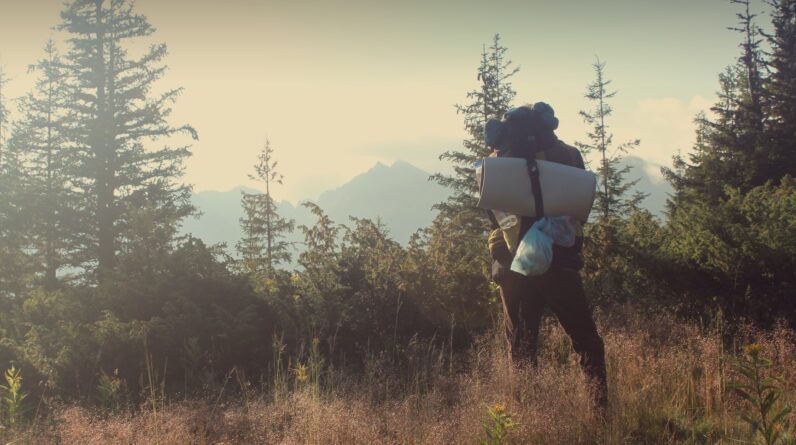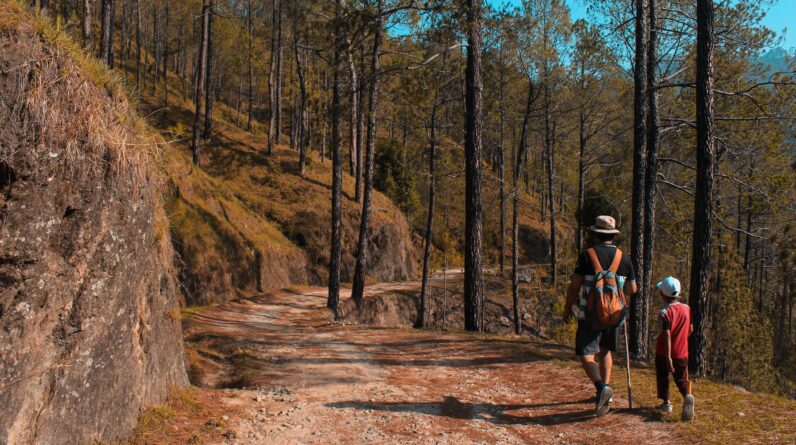
You might not have to become knowledgeable about survival clothes. Maybe you always bring a backup jacket on your hikes. Maybe you only take day walks and never spend the night in the bush. If you decide to backpack, you can also carry a lot of warm clothes.
Despite this, exposure claims the lives of hundreds of individuals every year. They believed they were ready. They didn’t anticipate getting their clothes wet from falling in a stream, spending the night outside, or getting lost for days.
I remember reading a story about a man hiking on Mount Whitney. He came across three young men in t-shirts who wanted to get to the top. Despite lacking time and equipment, they managed to be there before dusk. They undoubtedly did not return to their car after travelling 11 miles before it got dark. That night, it was below zero, so I guess they were at best uncomfortable.
What kind of survival gear could they have constructed in that circumstance? They did have a light jacket, one of them. He could have filled his jacket with the cattail seed head fluff for insulation and worn his t-shirt as a cap (a lot of heat is lost through the head). (The ancient orange life preservers used to be filled with cattail down.)
The crucial idea in this situation is insulation. Dry leaves, milkweed down, bracken ferns, or pretty much anything else can be put inside a jacket. It can also be put inside a shirt or a pair of jeans. Although having two layers to sandwich it between is preferable, being itchy is still preferable to being freezing.
In a pinch, you may also make a vest out of the flat cattail plant leaves that will keep out the wind and some rain. Warm mittens can be made from two bread bags filled with milkweed down or other silky plant fibers (tie them at the wrists). You may wear a plastic bag filled with the same as a hat by tying it on your head.
Generally speaking, it is best to look at what you already have before hunting down animals to skin or weaving grass skirts. If you have a sleeping bag, you can wear it around your body like a coat. Garbage bags may be transformed into snow trousers, and socks can be used as mittens.
A trash bag can double as a raincoat. A light rain will not stick to this. Birchbark can be used to create a rain hood as well.
Large leaves, such as those from a fan palm, can be used to form a sun bonnet in the desert. To avoid sunburn, tie some together and put them across your shoulders.
Animal skins won’t likely ever be required as clothes for survival. For trekking, you might need to use pine sap to glue tree bark to your feet if you never lose your shoes. But, being able to create a few simple pieces of survival clothes on the fly can improve your comfort and even save your life.