Most people are unaware of it, but having shelter is a fundamental human need. When considering survival, our minds tend to prioritize obtaining food and water. Because you intend to stay at home, where you already have shelter, you take shelter for granted.
But what if you want to bug out in the wilderness due to a health emergency? Knowing the importance of shelter is key, as it provides protection from adverse weather conditions such as heat, cold, rain, and more. Additionally, you’ll encounter creatures and insects. So be prepared to make arrangements to provide yourself with decent shelter.
What kind of shelter?
Here, we must use common sense. Bear Grylls is not like the majority of us. We won’t appreciate staying in a mud hut or other makeshift structure composed of sticks and other garbage. We won’t even be able to construct one. Constructing shelters in the wilderness with natural resources requires advanced survival skills.
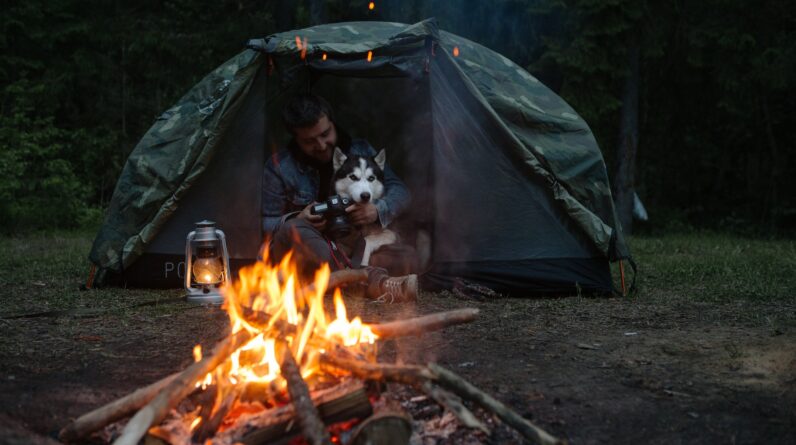
It’s not recommended to take shelter in caves or areas with thick foliage. Bringing your own tents is the best course of action. There are various portable collapsible tents available. A family of four or five can fit comfortably in two tents.
It’s preferable to get two or three tents as opposed to simply one large one. You won’t have any shelter if the large one is ruined. So spread out your risk.
It’s important to practice setting up your tent quickly and efficiently during downtime. By doing this, you can make sure that even when you’re stressed out, you can still accomplish it.
Location selection
Your shelter’s location is crucial. Pick a location with shade and concealment to avoid being seen by people. Avoid placing your tent in the direct path of the sun. Afternoons will be hot and stuffy. Your tent will suffer damage if it rains a lot.
Avoid areas with high, gnarled branches. The branch will fall on you if it breaks. Extremely risky.
To ensure constant access to water, it’s best to choose a campground with a nearby water source.
You should also be wary of your proximity to any animals. Stay clear of dangerous areas, including wolf dens, snake pits, ant hills, wasp nests, and bear dens, among other risky locations. Keep a close watch on the water source and take note of the animals that surface.
The majority of animals don’t leave their homes very often. For them, that means food, drink, and returning home. You could be attacked if you get in their way. So avoid the area.
Around your tent, remove all the leaves, bushes, and branches. It will be best if there are no plants within a 2.5- to 3-meter radius of your tent. If you want to stay warm and keep animals at bay, you can construct a fire. Furthermore, smoke can repel bugs and insects.
Practice familiarity
It’s crucial to research potential bug-out places well in advance. This will help you find a suitable place that meets all your needs. During a crisis, it will be quite challenging to choose a nice location because you’ll be under pressure and time will be of the essence.
Bring everything you’ll need. You should carry your tents, camping supplies, fishing equipment, knives, and even a sewing kit in case your tent tears.
To get a good sense of your chosen location, you may want to camp there several times. Also, bring your family. So that it won’t be dismal when they are required to remain outside in the wild, everyone needs to become used to the experience. If you try bugging out once, you might just get used to it.