Everyone should have a bug out bag ready in case of disaster, but many people are unprepared. Therefore, when an emergency occurs, we observe individuals rushing to obtain necessities that have become suddenly scarce.
Don’t belong to that group. Any emergency that would likely compel you to leave your home should be prepared for. All you have to do to prepare for these unanticipated emergencies is get your bug out bag and leave. Get ready in advance; the following advice will make packing your bug-out bag simple.
Choosing What to Bring
Pack only what you’ll actually need.
It’s tempting to pack everything you *think* you’ll need while preparing for an emergency that could continue for 72 hours or more. If you do this, your bag will be stuffed full of unnecessary goods, making it difficult for you to retrieve what you need. Your bug-out bag should contain only the necessities, not extras.
Make some space
Leaving extra space in your bug out pack for things you may have forgotten to buy is an important piece of advice that many people sometimes forget. You might occasionally need to stop along the way and pick up additional goods. It’s crucial to have space in your backpack because otherwise, you’ll have to carry extra stuff in your hands the entire way.
Pack extras
Always keep a spare of each item on hand so that you may quickly replace lost or damaged items without getting upset. If you have a water filter, for instance, you should also bring water purification tablets. In this manner, you can use the water purification pills even if the water filter breaks.
Alternate your stock frequently
To keep track of the things nearing their expiration dates, you should routinely go over the contents of your bag-out bag. If necessary, check your vitamins, medications, canned goods, and other supplies and replenish them.
Identify your route
Consider your environment while deciding what to include in your bug-out kit. Carry gear that is appropriate for a remote setting if you intend to travel to a remote area. Similar to this, you must prepare your belongings for a city bug out if you intend to escape to a location in the city.
How to Set Your Bag Up
We need to talk about how to pack the bag now that we’ve covered what to put in your bug-out bag. Your bug out bag can be prepared in one of two ways. The first method is to pack the bag according to its intended use. Sort your products into categories for urgent, urgent, and emergency needs.
The bag’s bottom
Put the items in your bag that you will use the least at the bottom. These are things that, in all likelihood, you wouldn’t use in an emergency. Your sleeping bag should go in the compartment at the bottom of your bug-out bag first so that it has a lovely, soft cushion when you set the bag down. Items that aren’t urgent include: bedding, additional clothing and personal hygiene supplies.
The bag’s center
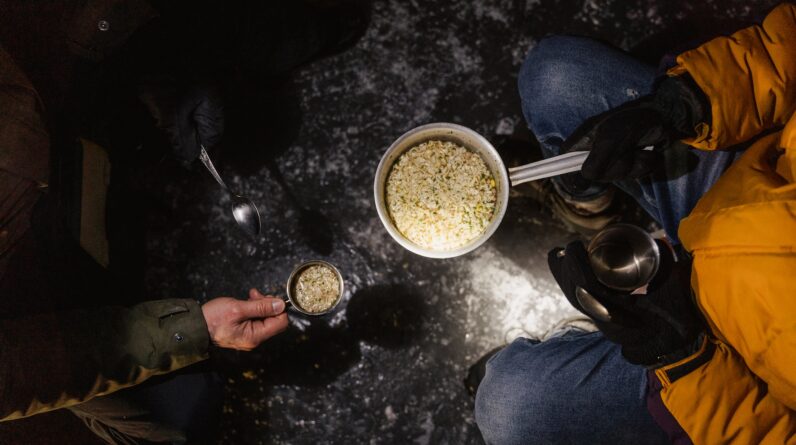
You need to pack your food, cooking supplies, and water after you have packed your non-urgent goods in the bug-out bag. These things don’t take up much room. They must be put in a location that is simple to reach. Water, food, fire starters and shelter are among the urgent needs.
The bag’s top
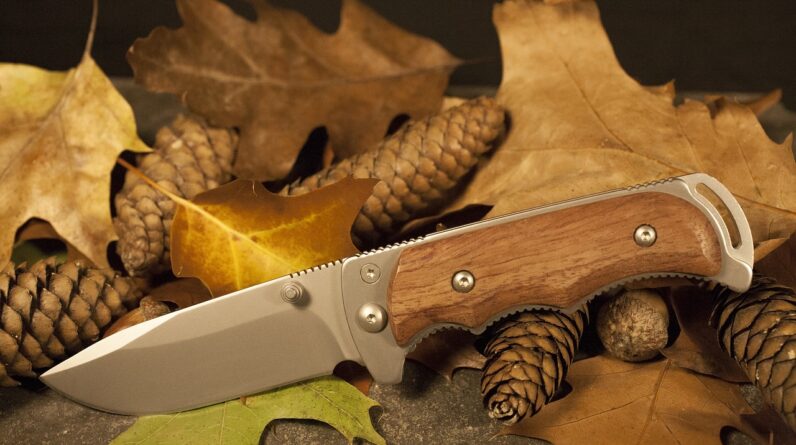
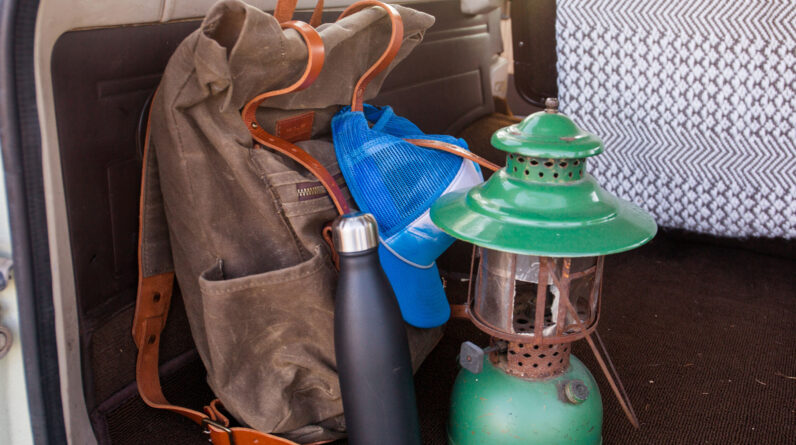
Your emergency items are those that you must have on hand at all times. They should be kept close to you or in areas of your backpack that are simple to access. As a result, you won’t have to dig around in your bug-out pack for your flashlight when you need it. The top compartment of the bag should be able to be opened, revealing your flashlight. For example, emergency supplies like flashlights, armed self-defense, phones, radios, whistles, and walkie-talkies are all types of emergency supplies. Another example is bad weather clothing.
The second strategy for packing a bag is based on weight.
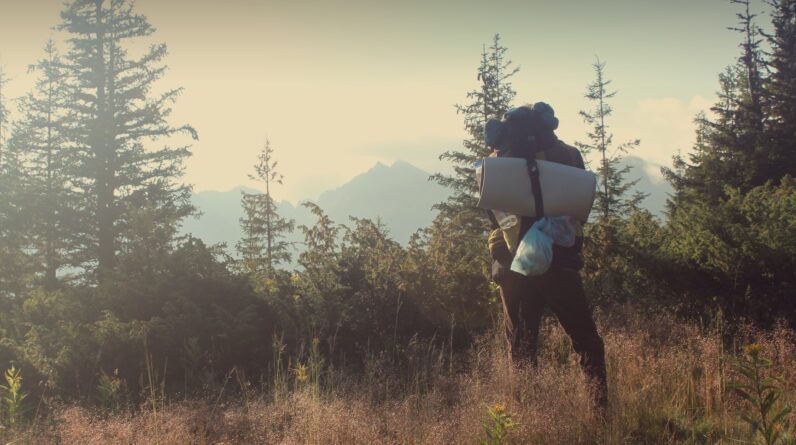
Make sure to prepare your bug out bag such that you won’t have to adopt a hunched-over stance to carry it. The last thing you need is a bag that causes you to lose your balance and strains your back. This can slow you down, create back pain, or result in an accident.
The best strategy is to place the heaviest containers closer to your spine, as we already mentioned. Additionally, place your frequently used items in the top section.
Although putting together a bug-out bag may seem difficult, using the aforementioned advice can help you do it efficiently. Then, to check the weight and balance of your packed luggage, take a stroll around the neighborhood. You are free to change your itinerary and luggage till you find what functions for you.