We’ve been concentrating a lot on how to survive in the wild, but what about in cities? If you live in a city, it’s possible that a disaster will hit when you are at work, home, or another location nearby.
Therefore, you need a multi-day urban survival pack that you can take with you everywhere you go. Any emergency or calamity, including a flood, an earthquake, etc., can be accommodated by customizing this survival pack.
The kit’s contents won’t match those of your wilderness bug-out bag. We advise keeping a kit in your car, office, and home so that in an emergency you won’t have to dash home to get your survival gear.
The following items should be included in your urban survival kit.
1. Tactical Flashlight
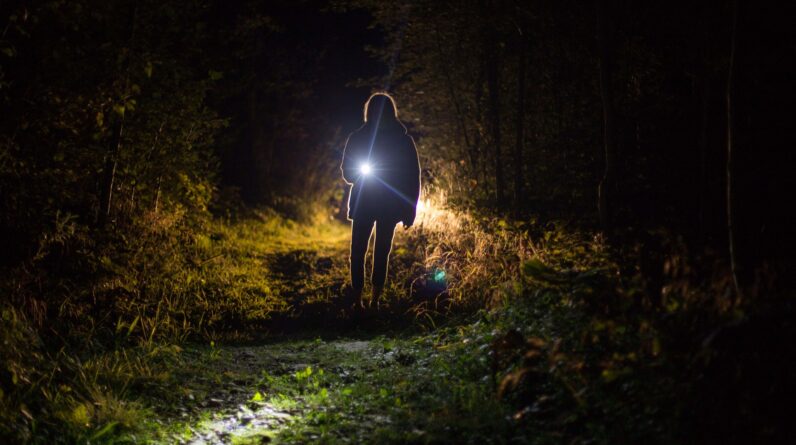
One of the first things you should include in your urban survival kit should be a tactical flashlight. It will be necessary if there is a power outage. It can be used for a variety of things, including self-defense at the very least. You should purchase a good flashlight rather than a little pen flashlight while looking for one. Keep it nearby or in a convenient location in your kit.
2. First-aid kit
Even if it is only an antiseptic spray, a few bandages, tape, and gauze strips, every survival bag should include a first aid kit. Being hurt in a survival situation is quite simple, thus being ready for any injury is crucial.
3. Water bottle
You should include a water bottle in your survival kit because you’ll need to stay hydrated to maintain your physical and mental stamina. You really must have a water filter or water filtration tablets. This is in case you need to filter your water because you are out of clean water.
4. Food for survival
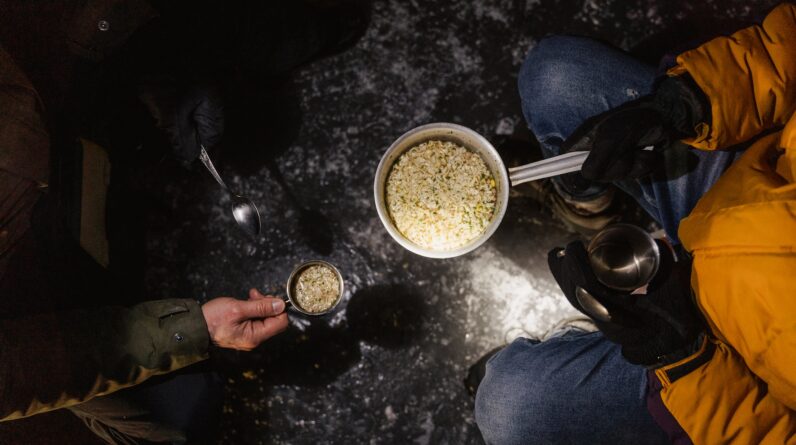
Dehydrated, vacuum-sealed, or freeze-dried food should be packed. One item you should not overlook including in your survival kit is food. If you don’t have the time to make your own food, you can purchase food kits from the market.
5. Radio for emergencies
A tiny solar-powered AM/FM radio should also be included in your survival kit. You can stay connected while getting local weather forecasts and emergency updates from this tiny device. It might come in handy in the event of a crisis that renders all cell networks inoperable.
6. A cellphone
You should always have your phone with you in case of an emergency so that you may contact loved ones and get situational information. What would happen if the phone’s battery died? If the electricity grid is down during the crisis, you should purchase a solar charger that can power your phone.
7. Lighter
A lighter, which is basic, portable, and inexpensive, ought to be in your survival kit. You ought to keep an extra lighter in your kit and keep one in your pocket. During a calamity, this item can provide you with both light and fire.
8. A folding knife for survival
This is a self-defense tool that belongs in your survival kit. A compact folding survival knife is more covert than a huge Bowie-style blade.
9. An oxygen mask
Not because of the COVID-19 pandemic, but rather because the air can often be our worst enemy. You should avoid inhaling those dangerous compounds if the air quality deteriorates. In this situation, having a N99 or N95 respirator mask on hand will protect you.
10. Duct tape
Duct tape is a necessity for any survival kit. You can swiftly repair ducts, bandage wounds, seal boxes, and seal off food containers with duct tape. It can be utilized to mend broken glasses or as a kindling to start a fire. Should the necessity arise, you can also use duct tape to bind your hands as a form of self-defense.
11. Extra batteries
Your emergency radios, flashlights, and other gadgets will require extra batteries. Get hand-crank versions of your electronics and keep them in waterproof cases to avoid relying on batteries.
12. Cash
Having cash on hand is crucial because when a calamity strikes, using an ATM could be difficult. The money should be dispersed and stashed in various locations throughout your kit. Make sure your wallet is filled with little dollars and change.
Last words
You can add anything you want to this list but you should think about if it is needed in an urban environment and if it is portable. How do you go about that?
Make a list first, then choose your essentials using our list as a guide. There should always be place for additional supplies in your survival kit, so never assume it is full.
Also, keep in mind that you need both equipment and expertise when a calamity strikes. You should be equipped with the necessary skills and prepared mentally for any circumstance. This is because you’ll require less equipment the more skills you have.