Starting a fire is one of the most fundamental survival skills that one can possess. Having the ability to start a fire can be a lifesaver if you find yourself lost in the wilderness, experiencing a power outage during a storm, or stranded in an isolated area. Fire provides warmth, light, and can even be used to cook food and purify water.
However, starting a fire is not as simple as rubbing two sticks together. It requires knowledge of different techniques and materials that can be used to create sparks and sustain flames. The significance of mastering the skill of starting a fire in different survival scenarios will be delved into in this article along with valuable insights on how to do it efficiently.
What Materials to Use for Fire Starting
One of the most important aspects of starting a fire is selecting the right materials to use. The right materials can make the difference between a successful and unsuccessful attempt. Starting a fire can be accomplished using a variety of materials, including natural items like dry leaves, bark, twigs, paper, and grass, as well as man-made products such as fire starters and matches. However, when it comes to more challenging environments such as damp forests or snowy mountainsides, finding suitable materials can be a lot more difficult. In these cases, alternative methods such as using magnesium shavings or cotton balls soaked in petroleum jelly may prove more effective.
The Basics of Fire-Starting
At its core, fire is a chemical reaction between fuel, oxygen, and heat. To start a fire, we need to provide enough heat to ignite the fuel and enough oxygen to sustain it. The type of fuel used can also affect how easily a fire starts and how long it burns.
The Top 5 Fire-Starting Methods
By mastering these top five fire-starting methods, you’ll have an arsenal of skills at your disposal during any outdoor excursion or emergency situation. Despite the varying levels of difficulty and tools required, all of these methods share a common goal: to help you start a fire even in unfavorable conditions.
So let’s dive into these essential survival skills and learn how to start a fire no matter what situation you find yourself in.
1. Using a lighter or matches, which are often the most convenient and popular choice. However, it’s important to ensure that they are kept dry and secure in your survival kit.
2. Using flint and steel. This method involves striking two hard objects together to create sparks that ignite dry tinder. Flint and steel require practice to master but can be reliable in emergency situations.
3. Using a magnifying glass or lens is another effective method for starting fires. By focusing sunlight onto dry tinder, you can create enough heat to ignite it.
4. Using a ferromagnetic rod (also known as “ferro rod” or “firesteel”). With proper technique, ferro rods create hot sparks when scraped with a metal blade or striker.
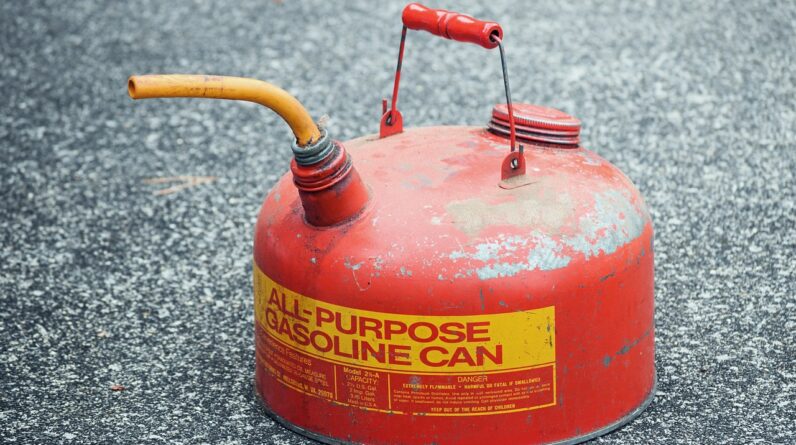
5. Chemical ignition techniques, including the utilization of hand warmers or lighting fluids, can ultimately ignite fires, but they come with significant risks that require meticulous handling.
Tips and Tricks for Different Environments and Conditions
Whether you find yourself in wet or windy conditions, a well-built fire can make all the difference. But fire-making isn’t just about survival – it can also be used for cooking or providing warmth on a chilly night under the stars.
Although wet weather may pose challenges in finding dry kindling and fuel, you can still start a fire by identifying natural shelters and employing materials such as bark or dry grass as tinder.
When creating a fire, it is essential to take into account the wind direction to prevent the flames from spreading to any combustible materials. Building a windbreak with rocks or logs can help prevent this from happening.
Precautions to Take When Starting and Maintaining a Fire in the Wild
To ensure your safety and prevent any accidental damage, it’s crucial to take a few precautions when planning on starting and maintaining a fire in the wild.
The first step is to check if there are any fire restrictions or bans in place for the area you’re in, as some regions may have specific rules regarding open flames.
Once you’ve confirmed that it’s safe to start a fire in your location, make sure that you have all the necessary equipment on hand.
To start a fire properly, you will need some items such as a lighter or matches, some kindling material like dry leaves or twigs, bigger logs to use as fuel, and a shovel or a bucket of water readily available to put out the fire in case of emergency.
When selecting a spot for your fire pit, look for an area that is clear of any flammable objects such as grass or bushes. Choose soil that is dry and non-combustible and dig out an area approximately two feet wide around where you plan on building your fire.
After lighting your kindling material with matches or a lighter, add larger logs gradually over time while keeping an eye on the flames.
Make sure that the flame does not get too high as this can create sparks which can easily ignite nearby vegetation.
To keep yourself safe while enjoying the warmth of your campfire, stay within a reasonable distance of it at all times.
To prevent any hazards, never leave the fire unattended and ensure that all embers are fully extinguished by pouring water over the entire pit before departing.
By taking these simple precautions when starting and maintaining fires in nature areas, you can help prevent accidents while enjoying this classic camping activity safely.
Practice Makes Perfect
In any survival situation, having the right skills can mean the difference between life and death. While having the right gear and supplies is important, it’s essential to have the knowledge and expertise to start a fire when you need it most.
Practice makes perfect, and honing your fire-starting skills is crucial for ultimate survival preparedness. The ability to start a fire quickly and efficiently can be crucial whether you’re camping in the wilderness or facing a disaster scenario. Not only can it keep you warm and provide light, but it can also be used for cooking food, purifying water, signaling for help, and boosting morale.