It is wise to be ready for any unexpected tragedy in today’s world. Any moment can be a disaster striker for natural calamities like hurricanes, floods, tornadoes, or even man-made occurrences like terrorist strikes or pandemics. As a result, it is vital to have a preparedness kit filled with supplies to keep oneself alive in an emergency. Preppers should never leave the house without a few specific documents though.
Important papers and identity could be stolen, damaged, or lost during a crisis. As a result, having a backup strategy is essential. We’ll talk about the crucial papers that every survivalist has to have in their kit in this article. We will discuss the importance of different documents such as personal ID, medication prescriptions, and legal paperwork. Additionally, we will provide tips on how to safeguard them effectively.
We will also go into detail about how crucial it is to secure these papers and maintain them current.
1. Identification papers such as a driver’s license, passport, or birth certificate
Preppers should never leave the house without identification documents like a driver’s license, birth certificate, or passport. These records are crucial since they provide proof of your citizenship, identity, and age. In an emergency, identity papers might be needed to access banking and insurance services as well as government services. Consider putting these documents in a lockbox or a safe place to keep them safe at home, such as a fireproof and waterproof safe. These documents should be updated frequently and kept in both hard copy and digital form as part of a survivalist document checklist. Preppers can rest easy knowing they are ready for emergencies if they have these crucial documents on hand.
2. Money or other payment methods like a debit or credit card.
Financial documents, such as a debit card, credit card, or cash, should be included among the preppers’ essential papers. To purchase food, water, shelter, or any other goods in an emergency situation, one must have access to financial resources. One must be sure to include these financial documents as a necessary component of any survivalist document checklist they create. The financial records should be kept safe and secure at home, preferably in a lockbox or safe that can withstand a fire. Keeping important data safe can help you during emergency situations and provide peace of mind. It is important to have access to these data when needed. Therefore, remember to include these essential records in your prepper document checklist because they may come in handy when you’re in a need.
3. Insurance policies, including those for health, vehicle, and house insurance
Preppers should never leave home without vital insurance paperwork including health, auto, and home insurance policies. These documents are required in order to safeguard your possessions and yourself in case of emergencies. Put these crucial papers in a waterproof, fireproof box and keep them somewhere accessible at home to keep them secure. It’s also crucial to have a digital copy of these papers stored on an external hard drive or cloud storage platform. To make sure you have all the records you need in case of an emergency, you should also include these records in your prepper document checklist. You may rest easy knowing that you are well-prepared for any unforeseen catastrophes by having your insurance coverage in order.
4. Contact information for key people, including their phone numbers, addresses, and emails
In an emergency, knowing how to get in touch with key people is essential. You must be able to swiftly find and contact family members, emergency services, and other crucial connections if a tragedy strikes. Never leave home without a list of these contacts’ phone numbers, addresses, and emails, according to preppers. This document ought to be maintained safe and secure and ought to be thought of as a must-have record for emergency scenarios. It is advised to preserve a physical copy in a lockbox or fireproof safe, as well as a password-protected, encrypted digital backup.
5. Copies of significant records, including titles, wills, and deeds
It is imperative to have backup copies of crucial legal paperwork, such as wills, deeds, and titles, in case of an emergency. Having a copy of these documents can be quite helpful because they can protect your assets in a crisis. Make sure you have all your important documents ready, such as wills, powers of attorney, deeds, insurance policies, and ID documents. Check your preparedness document checklist to confirm you have everything you need. You may proactively secure your assets in emergency scenarios by planning ahead and securing your crucial documents.
6. Medical emergency information
Emergency medical information is one of the most essential crucial documents for prepper preparation. Medical workers must be aware of your medical history and current circumstances in order to treat you appropriately in an emergency. You should provide your blood type, allergies, current medications, and past surgeries or medical procedures when giving your medical information. Keep this information somewhere that is simple to get to in an emergency, like a wallet-sized card or the glove compartment. Wearing a medical ID bracelet with crucial medical information on it is an additional choice. It’s important to have a checklist for disaster scenarios that includes personal identification documents, financial info, and important contacts, along with emergency medical information. Use a lockable filing cabinet or a fireproof, waterproof safe to keep these documents safe and secure at home.
7. Local maps and directions
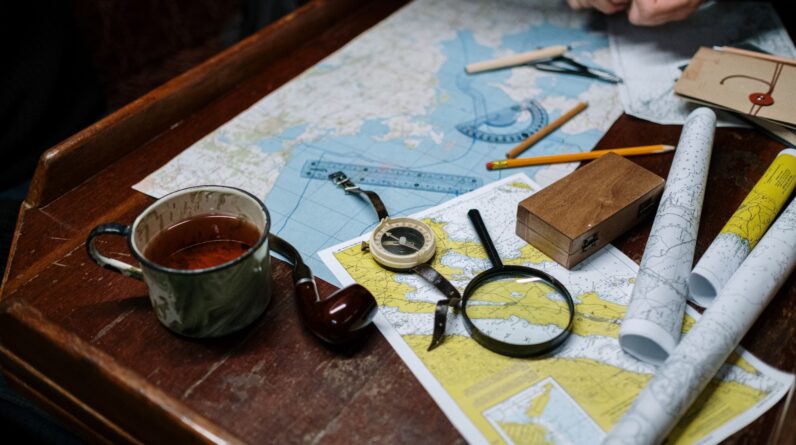
Maps and directions are important items to include in your prepper document checklist. Having maps of the region can be a lifeline if you ever need to flee your home due to an emergency. In addition to street and highway maps, these should also include topographical maps, which can guide you through difficult terrain. Include directions to vital places like nearby shelters, escape routes, and sources of food and clean water, along with maps. These maps and directions should always be current and available in case of emergencies. To prevent damage, think about laminating them or storing them in a water-resistant container. Simply said, keeping yourself safe in an emergency circumstance depends on having maps and directions included in your emergency paperwork.
8. Equipment and emergency supplies
The availability of necessary materials and equipment can make the difference between life and death in any emergency circumstance. Our survivalist document checklist’s first section is titled “Emergency supplies and tools” for this reason. It’s imperative to have an emergency kit well-packed with supplies including medicine, first-aid kits, food, water, and other necessities. You should carefully examine what you might need in an emergency situation and then put together your kit appropriately. The kind of emergency supplies and tools that you should take will depend on your unique situation and demands. Always keep emergency supplies and equipment in a dry, safe, and convenient area. To survive an emergency, preparation is essential. Make sure to gather the necessary tools and materials ahead of time, as part of your emergency preparedness plan. This will allow you to be better equipped for your specific needs in case of an emergency.
9. The family’s emergency plan
An emergency plan for the family should be at the top of your prepper document checklist when it comes to preparing for emergencies. It’s important to have a plan for emergencies like natural disasters or civil unrest. Make sure your family has a strategy for such situations. This strategy should outline designated meeting locations, emergency contacts, and communication protocols. It’s crucial that everyone in your family is aware of and familiar with the emergency plan. Make sure to keep this document along with other important papers for emergencies like copies of your ID, insurance policies, and medical records, safely stored at home. You can better ensure that everyone stays safe and connected during emergencies by creating an emergency plan for your family.
Having a plan for the worst-case situation entails being a prepper, to put it briefly. Always put the need for having important documents on hand in an emergency first. Preppers can be sure they are prepared for any eventuality by keeping these documents secure and easily accessible. Always remember that it’s better to be safe than sorry, and having these crucial documents on hand can be quite helpful in an emergency.