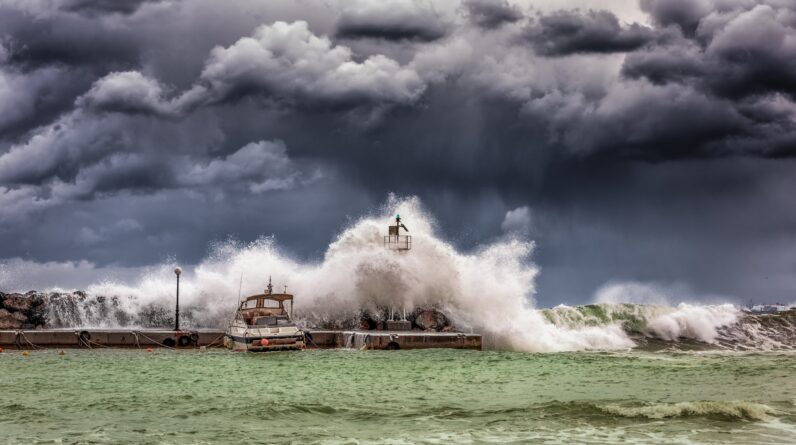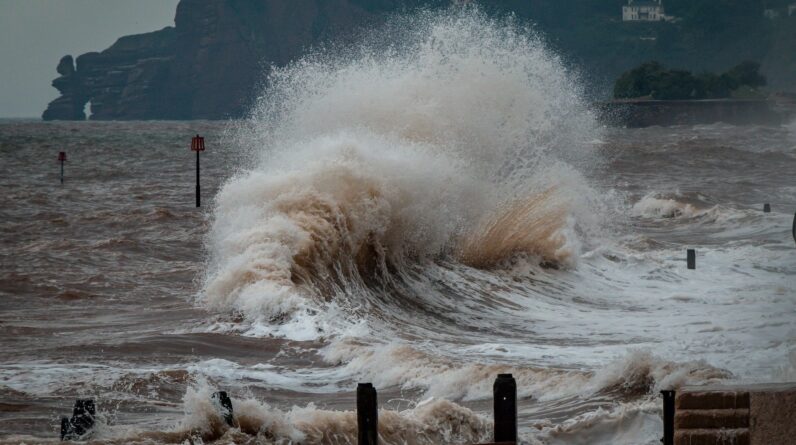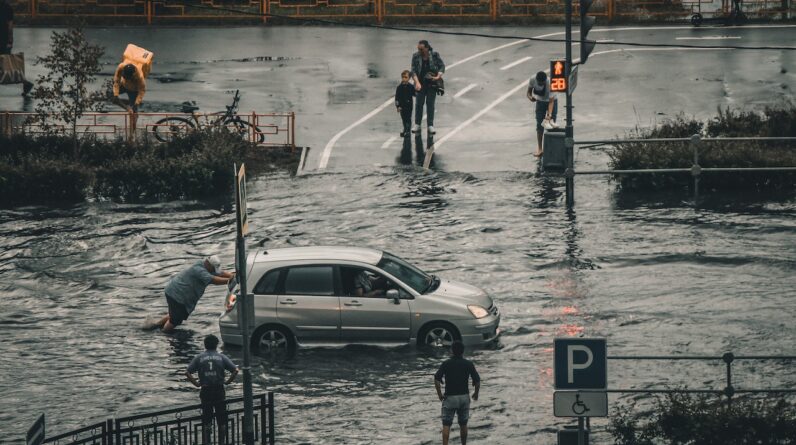
The most frequent natural disaster in the US—believe it or not—is flooding.
Statistics show that each year, floods claim the lives of around 100 people. Additionally, the damages brought on by floods cost more than $4 billion.
According to the American Red Cross, all of the above is true.
The following are a few suggestions and pieces of information you may use to get ready for any impending flooding.
Expect the predictable
It’s critical that you comprehend the potential effects of a flood and are mindful of any potential harm. Rolling boulders, trees that are pulled out of the ground, and buildings being destroyed by falling debris are only a few examples of things that can happen.
Do not be reluctant to inquire.
You must also confirm with your local zoning and planning authority if the property you are on is above or below the flood level. Additionally, it is always wise to be aware of any flooding history in the area you are in.
The preparation of activities and tasks to complete in the event of a flood is greatly aided by this understanding.
Acquaint yourself
It is important that you become familiar with any or all of the flood warning signs or signals in your particular neighborhood.
Evacuation plans
Learn about the evacuation plans in place in your neighborhood. This aids in your self-preparation and that of your family, friends, and the step-by-step drill.
Check your insurance coverage
When a flood occurs, having insurance that is specially designed can be helpful. Unbelievably, the insurance often associated with homeowners won’t be able to pay for any damages you sustain as a result of flooding.
Keep all necessary paperwork.
These papers might be passports, birth certificates, insurance policies, etc.
As much as possible, all of these documents ought to be stored in a waterproof box that is simple to open.
Don’t stop moving.
Consider moving your water heater, furnace, or electrical panel up to the attic if they are currently located in your home’s basement or first level.
This will greatly reduce the likelihood of their being harmed by surging floodwaters.
All the plugs
Check valves installed in all of your home’s trap sewers effectively to stop any floodwater from entering your home’s drains. Large stoppers or corks work well for securing tubs and sinks during a crisis.
Check and construct
It is a good idea to check the local construction codes to determine whether it is acceptable to build flood walls around your home to keep floodwater out of your property.
Waterproof everything
Basement walls should be sealed with waterproof materials to prevent floodwaters from entering through any cracks.
A radio and supplies on hand
Keep a battery-operated radio on hand at all times in case the power goes out.
First aid kits and supplies like canned goods are essential. Of course, don’t forget your can opener.
In general, the best defense against floods is always planning.